
understanding the teenage brain
Many piano students go through some version of a teenage slump—a student who once learned eagerly can begin to seem more distracted or less invested. It is easy to interpret this as a loss of discipline or interest. When we look at how the teenage brain develops, however, we can begin to understand the cognitive changes students go through in adolescence and how they impact lesson approach. Instead of pushing harder against the slump, we can work with adolescent development to make piano study feel more attainable and rewarding.
The teenage years are a period of major neurological development, and part of that process involves synaptic pruning: the brain strengthens frequently used pathways while gradually letting go of those that are used less. In this process, adolescents brains growing a huge number of neurons—at a rate of four to five times that of adults—while underused neurons are pruned away. This makes adolescence both a period of expansion and selective refinement in which the brain is reorganizing in ways that make repeated, meaningful experiences especially important. That means a long stretch of frustration, stagnation, or constant struggle at the piano can be more consequential than we sometimes realize. If music study consistently feels like the place where a student is behind, overwhelmed, or unsuccessful, it becomes harder to remain engaged.
In Lisa Withers’ presentation “The Teenage Brain on Piano,” she outlines the characteristics of teenage brain growth. Novelty seeking, social engagement, increased emotional intensity, and a need for creative exploration are four hallmarks. She also lists common adolescent behaviors that could be points of teacher frustration, reframing them in ways that highlight the opportunity for musical and pianistic growth. This can shift the question from “How do I stop this behavior?” to “What is this behavior trying to become?”
Risk taking → willingness to experiment; openness to change
Apathy or lack of motivation → questioning the status quo; exploring new ideas
Egocentrism → developing identity and purpose
Emotional intensity → exuberance, zest, expressiveness
Vulnerability to peer pressure → openness to new relationships and interactions
Her work is informed by The Adolescent Brain Cognitive Development (ABCD) Study, the largest long-term study of brain development and child health in the United States.
varying depth and breadth
With all of this in mind, what should lesson structure actually look like for students in the teenage slump? I have found it helpful to think in terms of varying breadth and depth. Sometimes the most effective response is to widen the lesson and lower the demand of any one task. At other times, the better choice is to narrow the lesson and deepen the student’s investment in a smaller amount of material. These approaches can fulfill the adolescent’s need for novelty and creative freedom in different ways.
doing less with more
Instead of asking the student to sustain intense focus on one demanding piece or problem, we create a lesson with broad musical contact and many small points of success. This also allows for lots of novel experiences. Examples of “less with more” could include:
reviewing old, easier repertoire and applying recently-acquired knowledge or technical skills
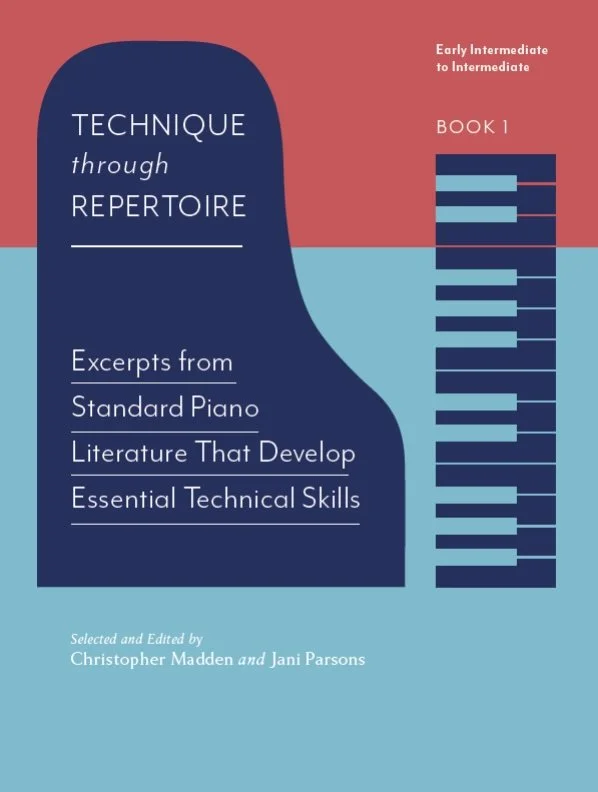
experimenting with learning repertoire excerpts instead of entire works (Technique through Repertoire has been a fantastic resource for this)
exploring several examples of pop music that all use the same chord progression
learn groups of repertoire that share a key signature (this could include relative major and minor keys)
skill sampler menus from which students can choose three of five options
one technical pattern
one sight-reading exercise
one rhythm drill
one short piece section
one creative task
Instead of centering the entire lesson around a few demanding tasks, the goal is to build in several quick wins. We want to focus on momentum, fluency, confidence, and keeping engagement relatively low-friction.
Doing More with Less
A more with less approach does the opposite.Instead of creating many small points of success, I narrow the focus and go deeper. I may ask for less variety but more attention: more listening, more discussion, more imagination, more detail, and more ownership in a challenging piece that a student is genuinely interested in. Through a more with less approach, I want to build investment, meaning, identity, and artistic ownership.
Examples of “more with less” could include:
Transposing a single piece to a variety of major and minor keys or modes
Composing a B section for a short piece
Playing and comparing multiple student interpretations of the same phrase (or entire piece!)
Listening to multiple artists’ interpretation of the same piece
Pair the piece with a poem, painting, or landscape image
Deep diving into memorization strategies—how many ways can we know that we have something memorized?
Building an entire lesson around one interpretive question
If less with more helps students by making piano feel manageable again, then more with less helps by making piano feel meaningful—and like a part of the student’s developing identity—again.
Materials that can Do Both
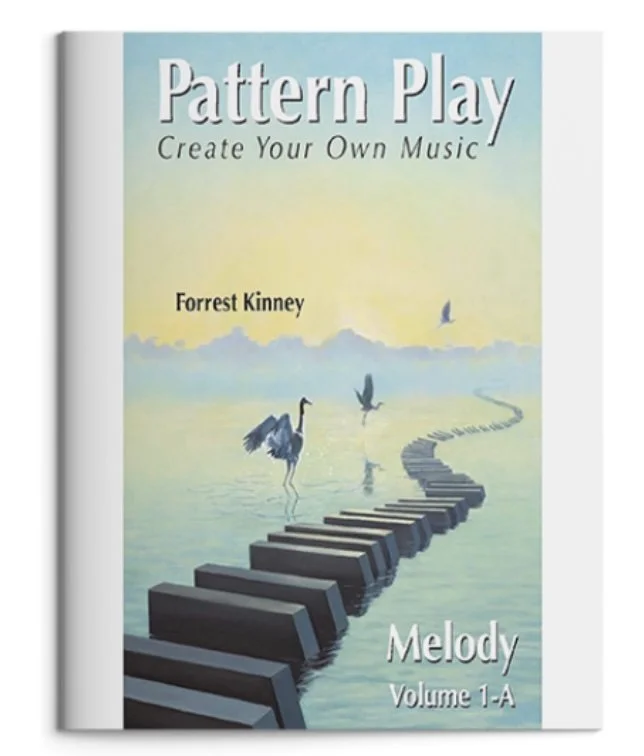
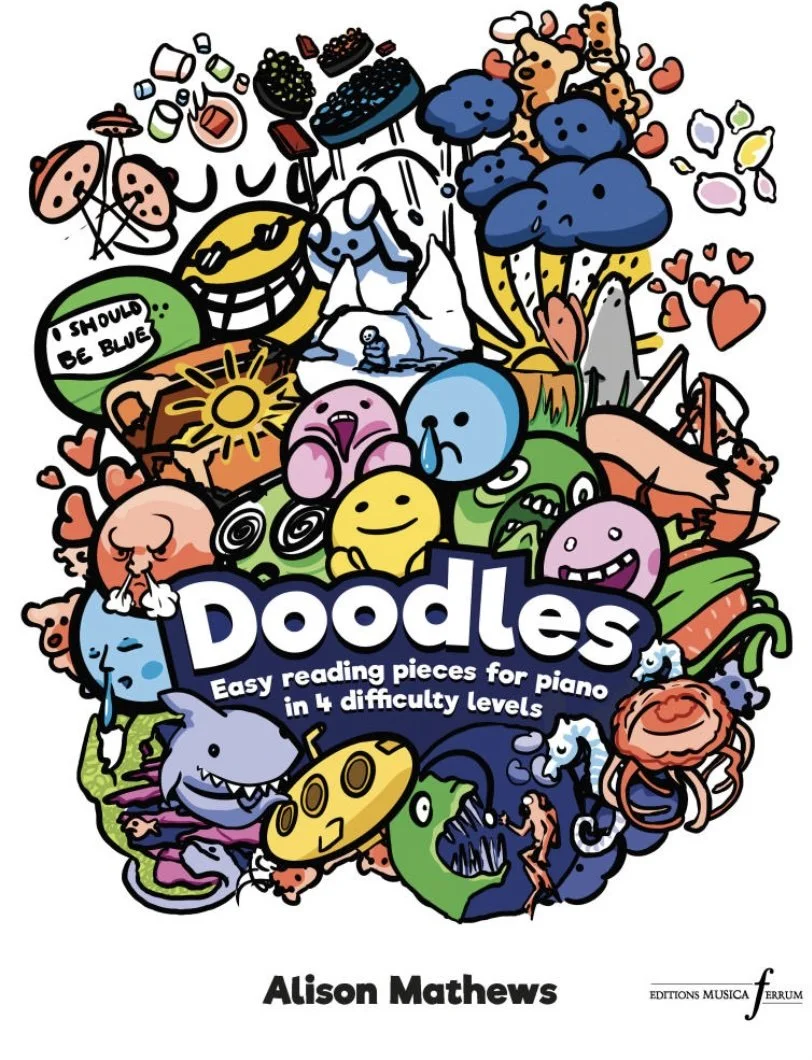
Some teaching materials are especially valuable during this stage because they can support eclectic approaches to breadth and depth. A resource might be used for quick wins and broad exposure, or it might become the basis for a deeper, more creative exploration. Below are broad-spectrum teaching materials that I’ve found invaluable for navigating the changing landscape of piano student motivation. Pattern Play and Doodles, specifically, are wonderful springboards to student composition.
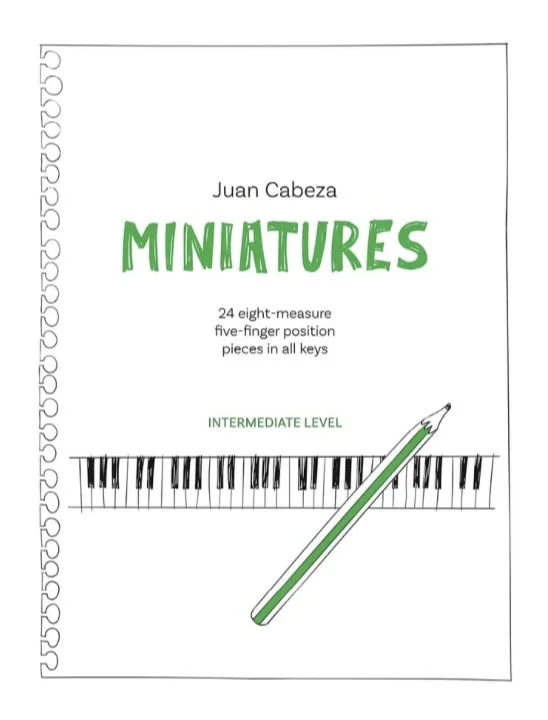
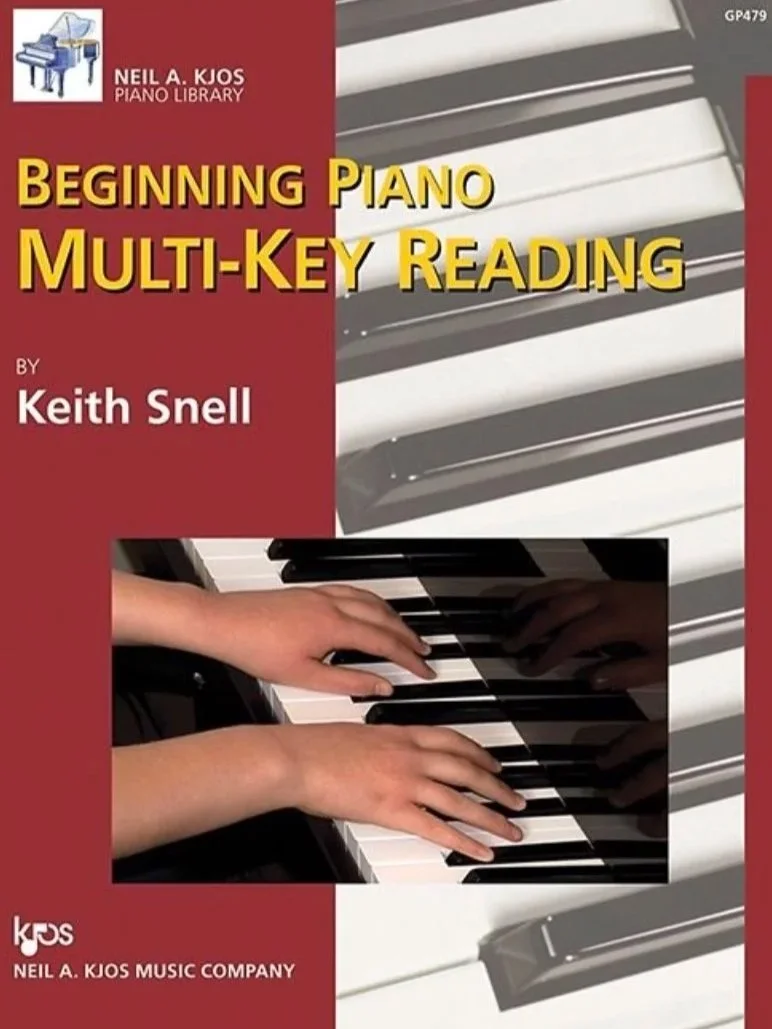
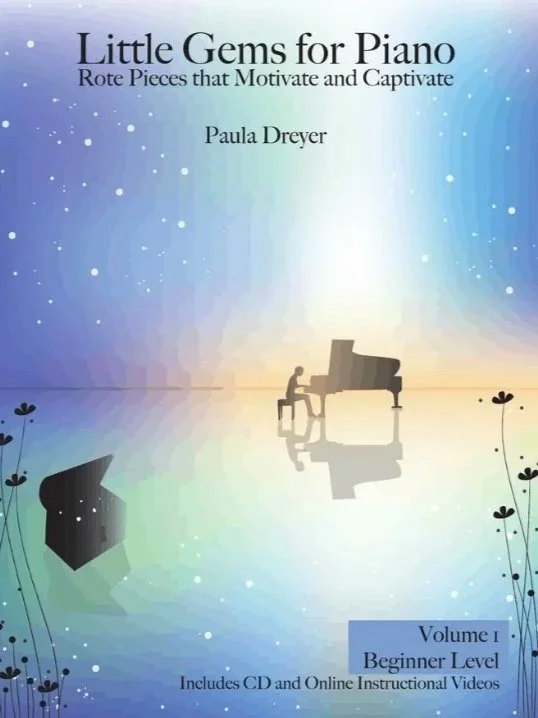

The point is not to choose one permanent strategy for every adolescent student, but to recognize that motivation often changes during these years, and our teaching can change with it. Sometimes a student needs breadth, novelty, and momentum, while at other times depth, meaning, and ownership engage students more. When we work with adolescent development rather than against it, we are often better able to help students stay connected to music through a season that might otherwise feel like a dead end.
Withers, L. (2024, March 20). The teenage brain on piano [Conference presentation]. MTNA National Conference, Atlanta, GA.